Engineering Project Overview
A multidisciplinary project combining mechanical, electrical, and software engineering.
Mechanical Overview
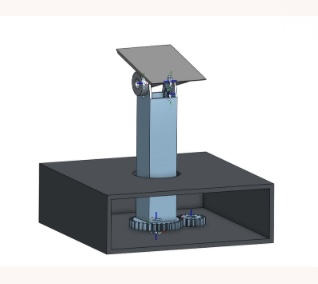
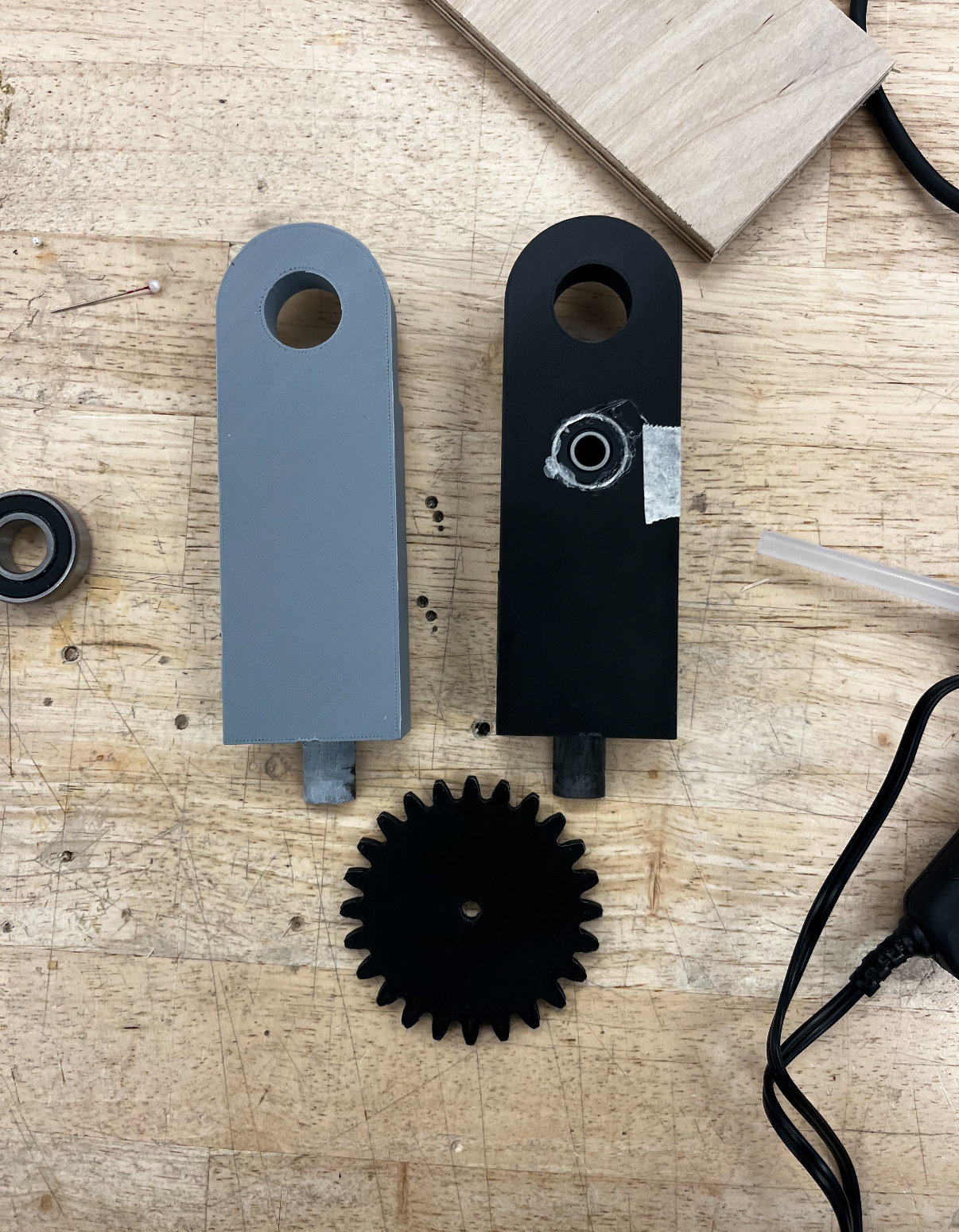
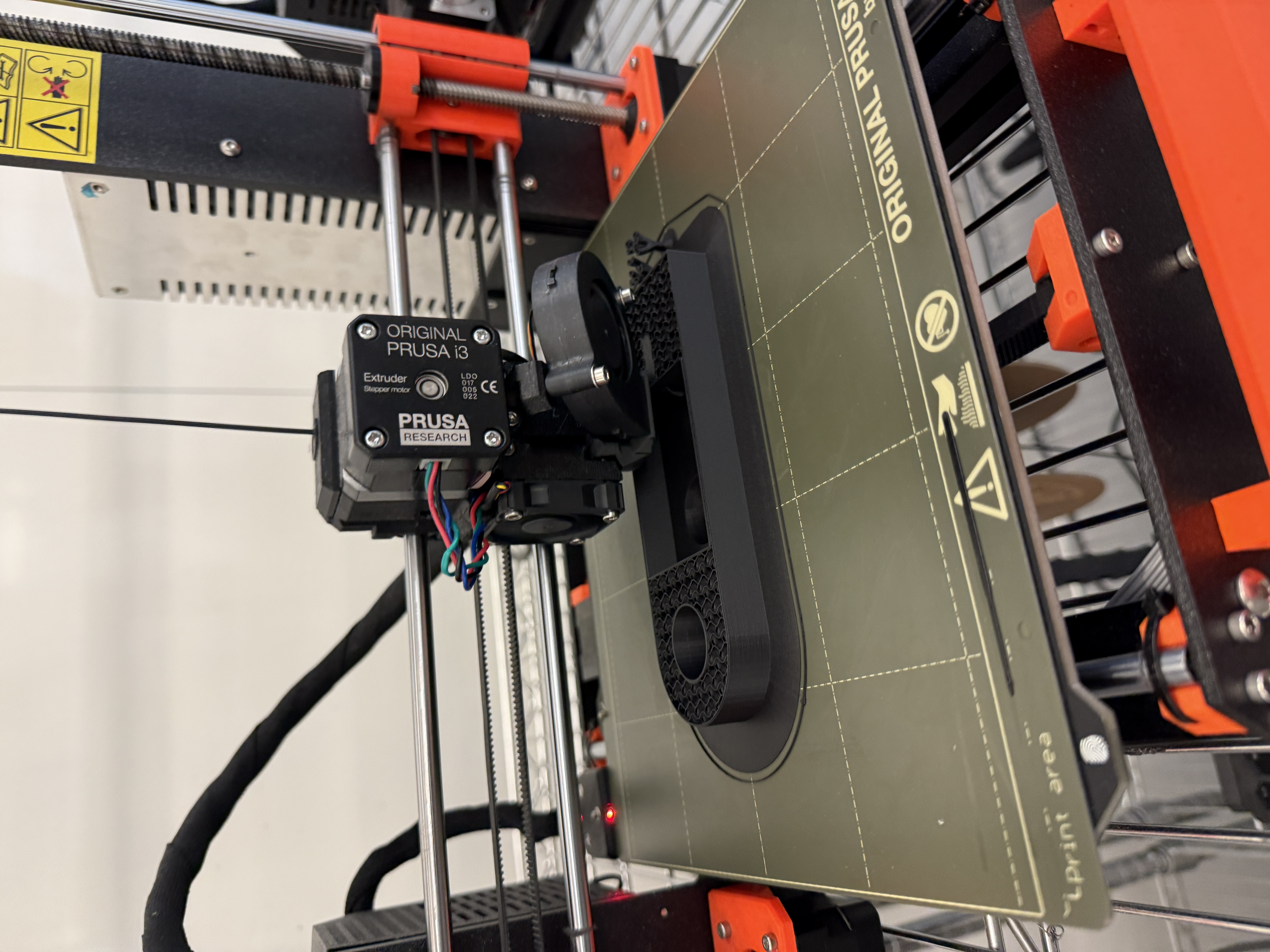
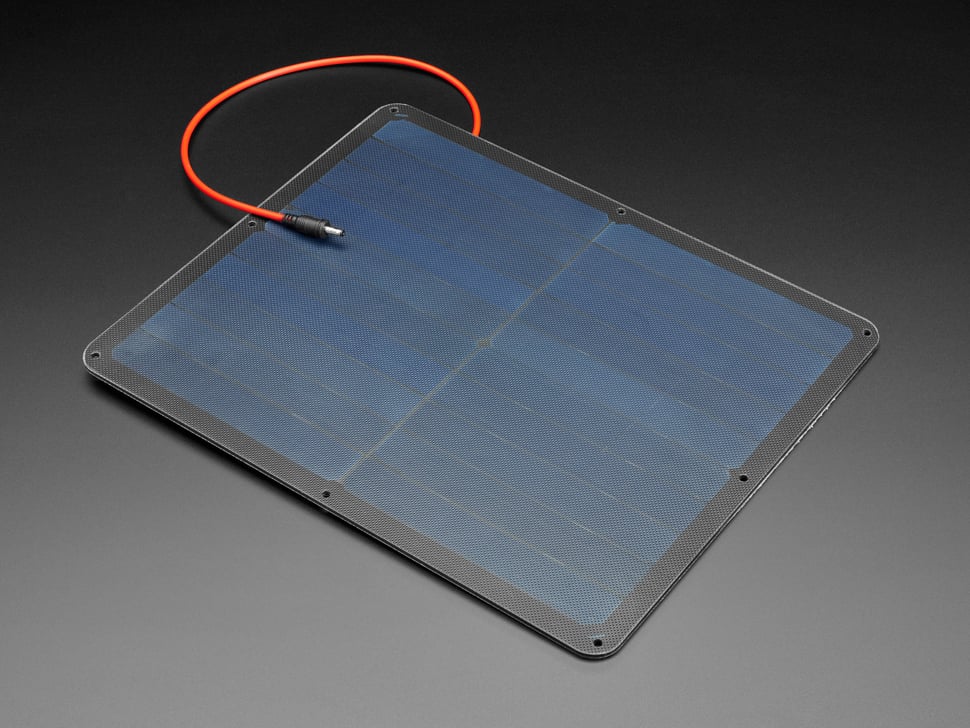
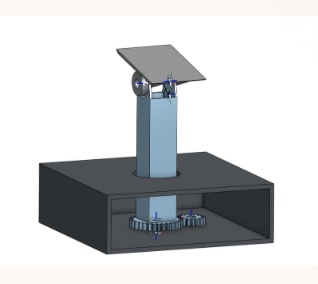
The Solar Powered Energy Efficient Charger (SPPEC) was designed with portability, durability, and adaptabilty in mind. Our team engineeered a lightweight, collapsible structure capable of thriving in outdoor environments while maintaining mechanical percision for solar tracking. At the heart of the system is a two-axis rotating solar panel mounted on a custom 3D-printed PETG housing.The solar panel’s mount features dual 13 kg servo motors: one controlling horizontal (azimuth) rotation and another adjusting vertical (elevation) tilt. Its dual-axis rotating solar panel and foldable tripod frame deliver both efficiency and portability, while the 3D-printed PETG housing protects internal electronics from the elements. Every detail—from servo-driven motion to weather-resistant sealing—was crafted to ensure reliable performance in real outdoor conditions.
Electrical Overview
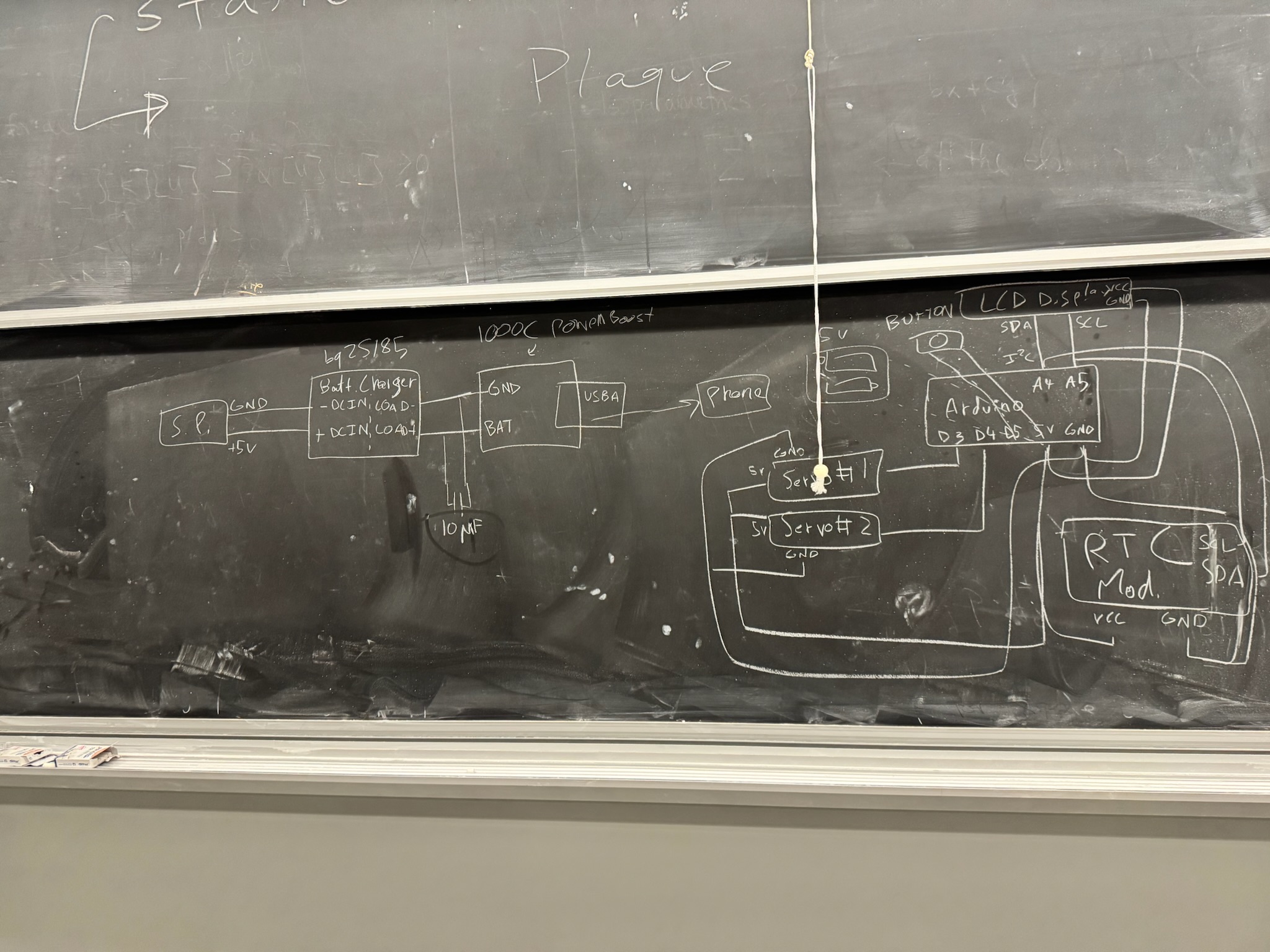
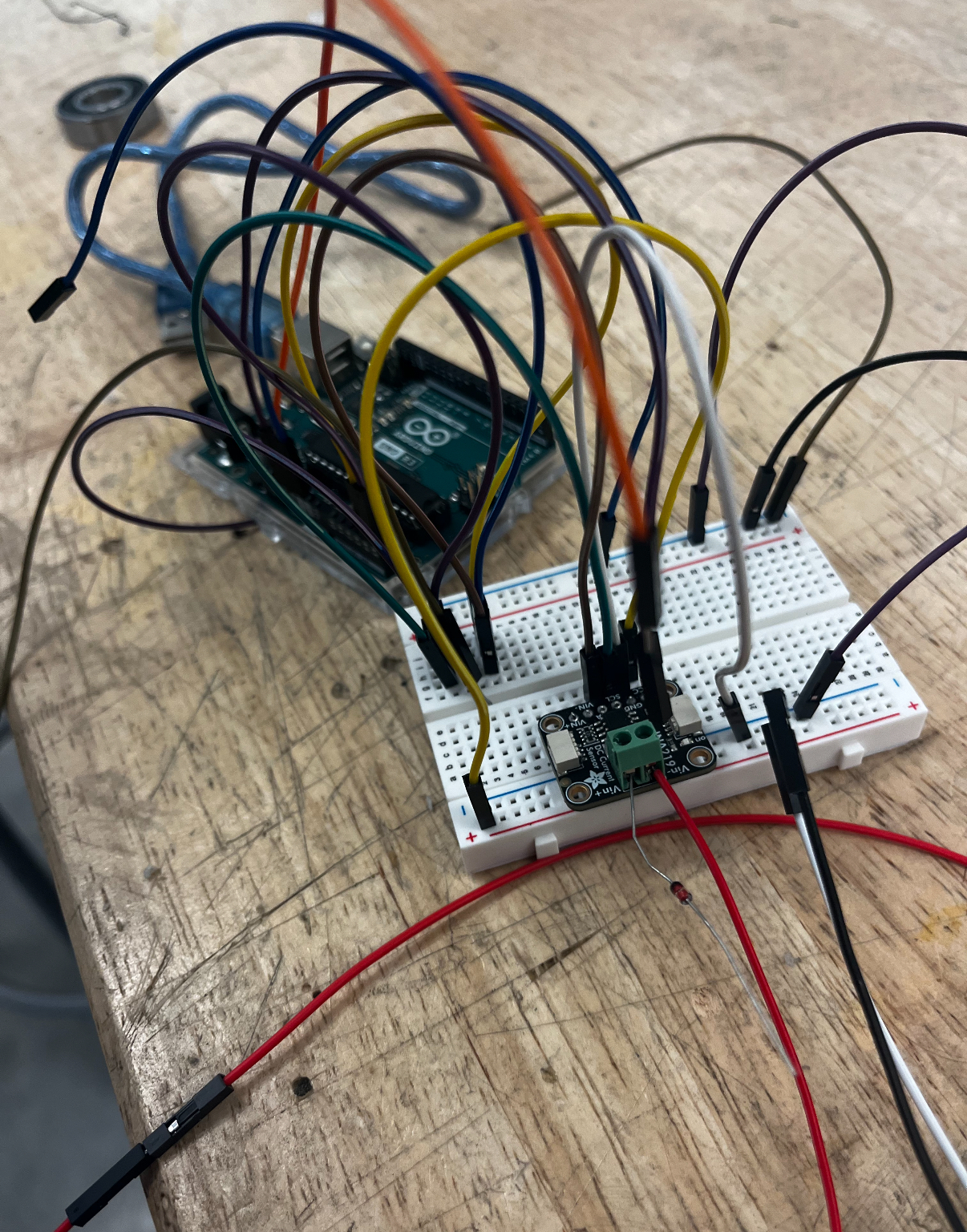
The SPEEC’s electrical system was designed for efficiency, reliability, and seamless integration with its mechanical components. At the center of the system is an Arduino microcontroller, which receives real-time data from the INA219 current sensor and controls the dual-axis servo motors to optimize solar panel orientation. Power is supplied by a lithium-ion battery pack, regulated through the Adafruit bq24074 charge controller, allowing the system to simultaneously charge the battery and power connected devices. The circuitry is fully autonomous and wireless, with a USB-A output for device charging and integrated protection features—including overcurrent, overvoltage, and reverse-polarity safeguards—to ensure safe operation. Every component, from sensors to motor drivers, was selected to balance power efficiency, durability, and compatibility. Together, the SPEEC’s electrical system provides a robust, self-contained solution for reliable off-grid solar charging in diverse outdoor conditions.
Software Overview
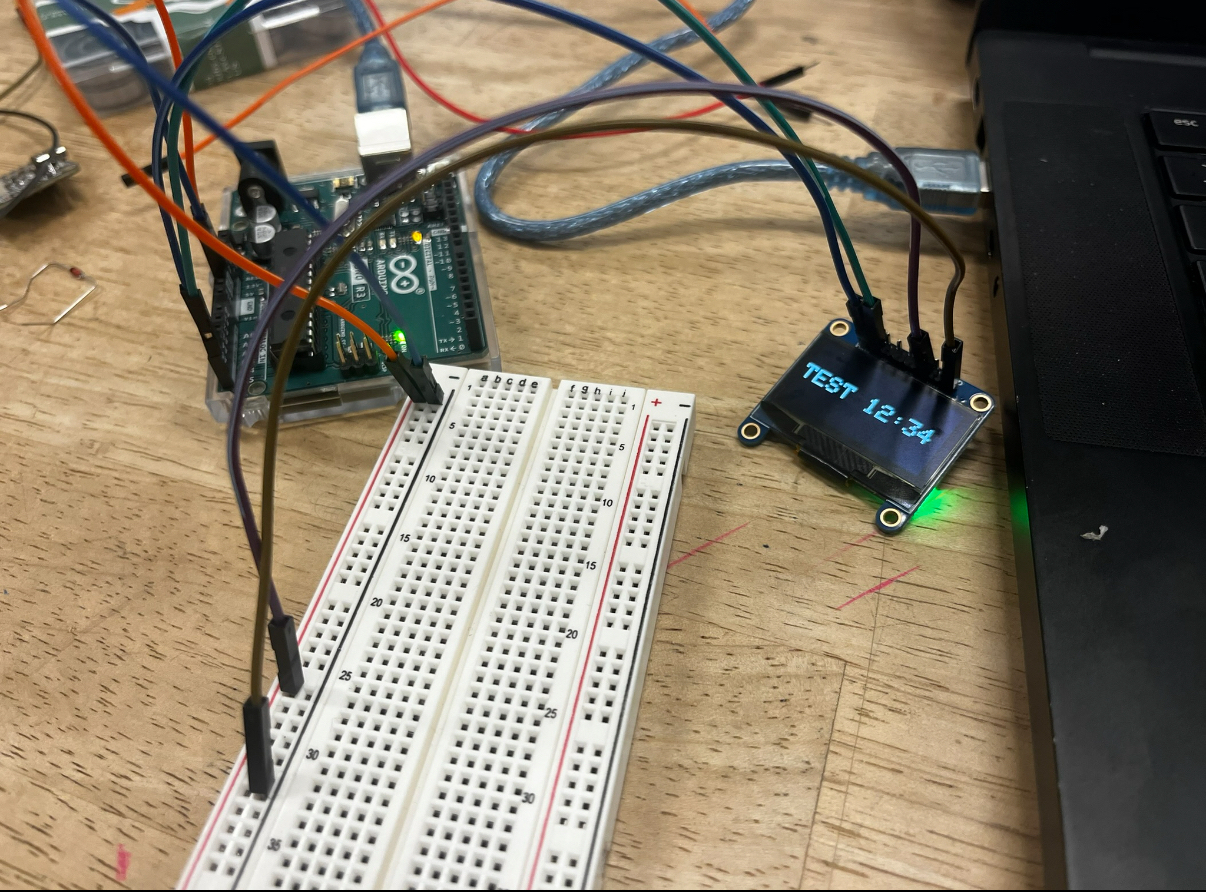
The SPEEC’s software system was developed to maximize energy capture while providing an intuitive user experience. At its core is a sensor-driven solar tracking algorithm, which continuously adjusts the panel’s azimuth and elevation based on real-time current measurements from the INA219 sensor. The system uses a hill-climb feedback loop to ensure the panel remains optimally aligned with the sun throughout the day, automatically parking in a safe position when sunlight is insufficient. The software also manages data collection and visualization, sending performance metrics—including power output, battery capacity, and solar panel efficiency—to the device’s LCD display and accompanying web interface. Designed for stability and adaptability, the code integrates seamlessly with the hardware while allowing for future enhancements, such as predictive tracking or cloud-handling logic. Every function, from real-time adjustments to user interface interactions, was engineered to ensure efficient, reliable, and user-friendly operation in outdoor environments.