3D Modeling
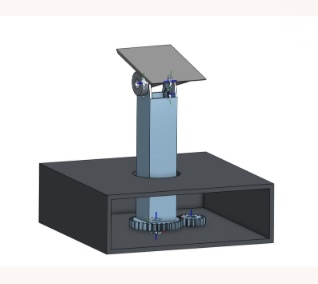
Using Fusion 360, we designed the SPEEC’s foldable cubic frame and dual-axis solar panel mount. Translating these CAD models into 3D-printed PETG components taught us how to optimize geometry for structural integrity, stability, and portability. Designing collapsible tripod legs, a hinged housing, and a rotating shaft with ball bearings reinforced our understanding of mechanical balance, durability, and user-friendly assembly.
Electrical Circuit Design
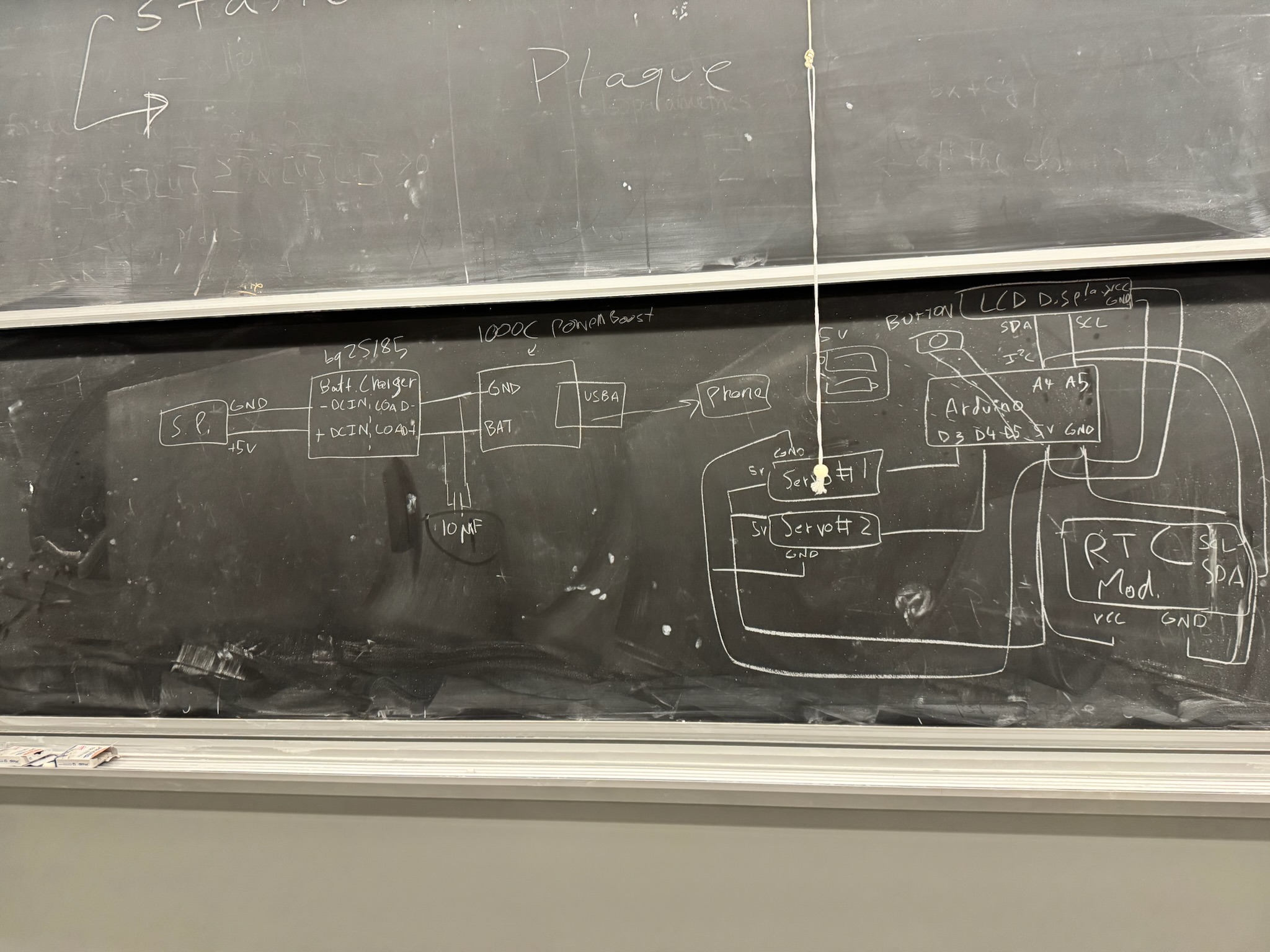
We designed and assembled circuits that included the Arduino Rev3, INA219 current sensor, Adafruit bq24074 charge controller, 13 kg servos, and USB output circuitry. This work developed our ability to manage power distribution, overcurrent protection, and safe battery operation while integrating multiple subsystems for reliable, off-grid solar charging.
Weather Proofing - Material Selection
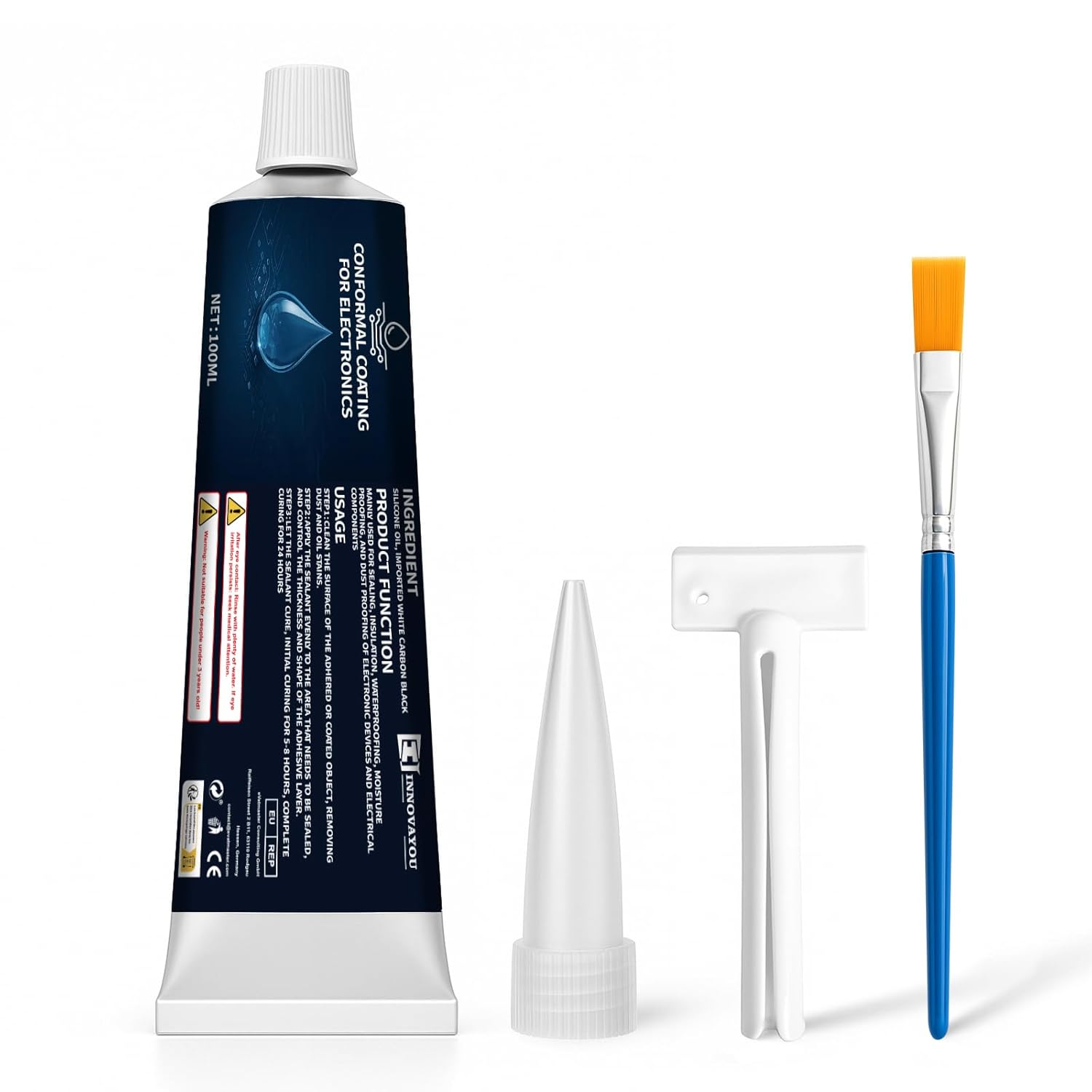
Selecting PETG filament, RTV silicone, conformal coatings, and nano-coating sprays emphasized the importance of environmental protection. Applying these materials ensured the electronics and mechanical components could withstand UV exposure, moisture, temperature fluctuations, and dust, preparing the system for reliable use in outdoor conditions.
Python & Arduino
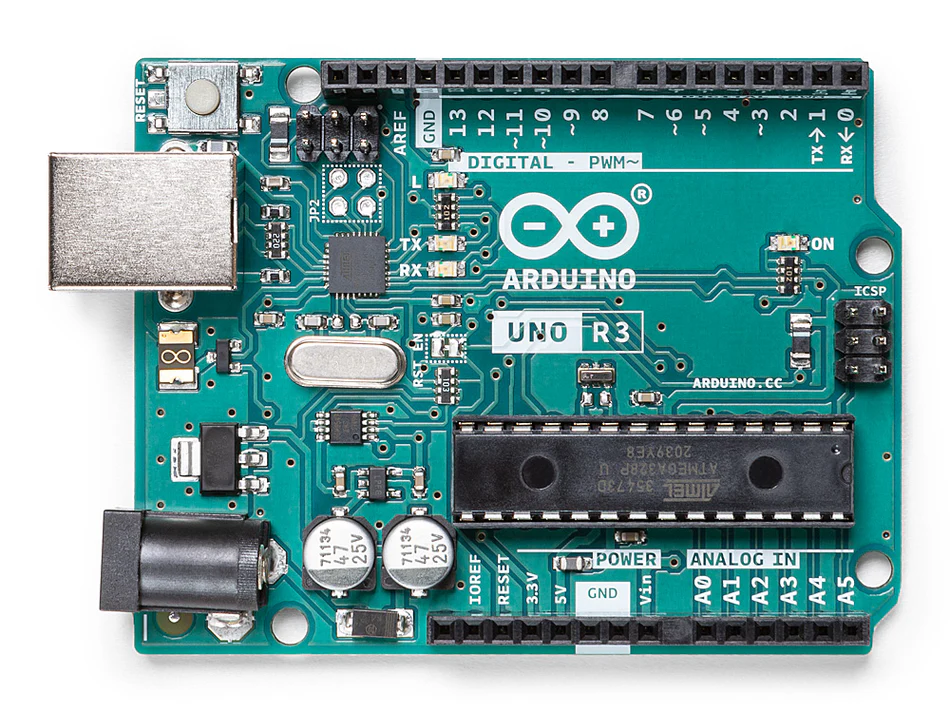
Working with Arduino Rev3 microcontrollers and Python allowed us to integrate hardware and software seamlessly. On the Arduino, we developed the solar tracking algorithm, reading data from the INA219 current sensor and controlling the dual-axis servo motors to maintain optimal panel orientation. We also programmed the LCD display to show real-time metrics such as battery capacity, voltage, and power output. Using Python, we analyzed collected sensor data, visualized performance, and refined the tracking algorithm for efficiency. This combination of embedded programming and data analysis strengthened our skills in hardware-software integration, iterative testing, and debugging, ensuring the SPEEC system operated reliably and effectively in real outdoor conditions.
Prototyping & Testing
The SPEEC project required extensive prototyping and testing to ensure all mechanical, electrical, and software components worked together reliably. We printed and assembled 3D PETG components, tested the dual-axis servo system, and iteratively adjusted the solar panel’s rotation for precise tracking. On the electrical side, we tested current flow, battery output, and servo calibration, troubleshooting voltage dips and ensuring safe, consistent operation. Software and algorithm performance were continuously validated through real-time sensor data and LCD readouts, allowing us to refine the hill-climb tracking system. Through this process, we developed a systematic approach to identify problems, implement solutions, and optimize system performance, strengthening our skills in hands-on engineering, iterative design, and real-world testing.
